

💭 Week #27: Are We Borrowing From Nature?
Again and again, we study what already works.

For centuries, people have been creating innovation to make work simple. Work is upgrading due to massive technology changes. Have you ever been impressed by how different we are from centuries ago?
All around us are working within nature’s rule. Gravity. Airflow. Friction. Leverage. Tension. Upon observing nature, we people and the flora and fauna have distinct ways of adapting to the nature rules. Yes, for us we eat, dress, and shelter to live according to the rules.
Humans love innovation; we create technology to make our work efficient and easy. Yet, sometimes, we imitate how flora and fauna adopt the rule for us to solve a simple problem of our life.
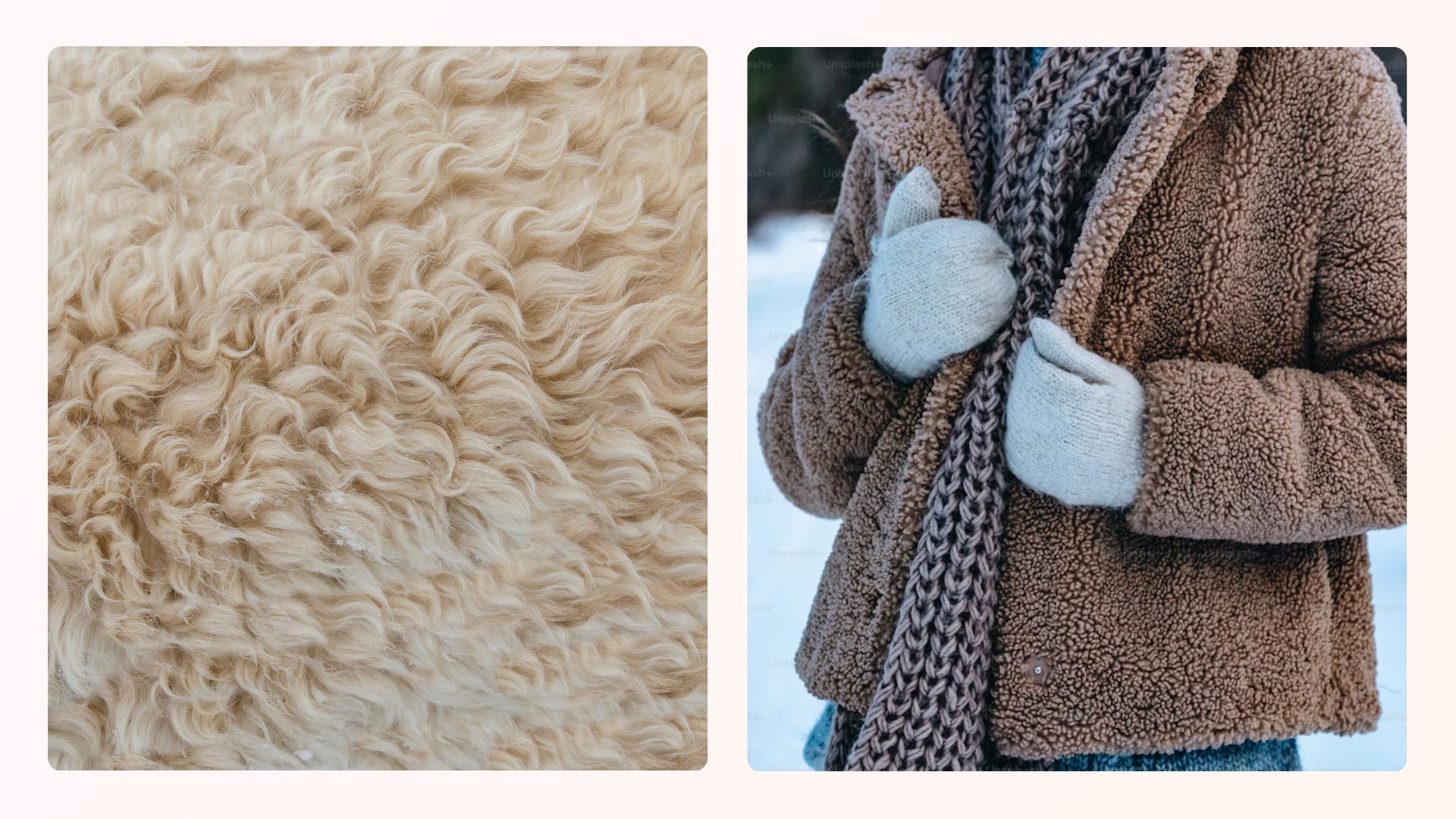
Take, for example, cold days: we look for warmth, and to solve that, we need to create an effective insulation. Seeing animals around, they already had the answers: furs and feathers. These are useful for trapping air and reducing heat transfer. We are so smart that we borrow that principle to create insulation. We create jackets, roof insulation, and more just to be insulated.
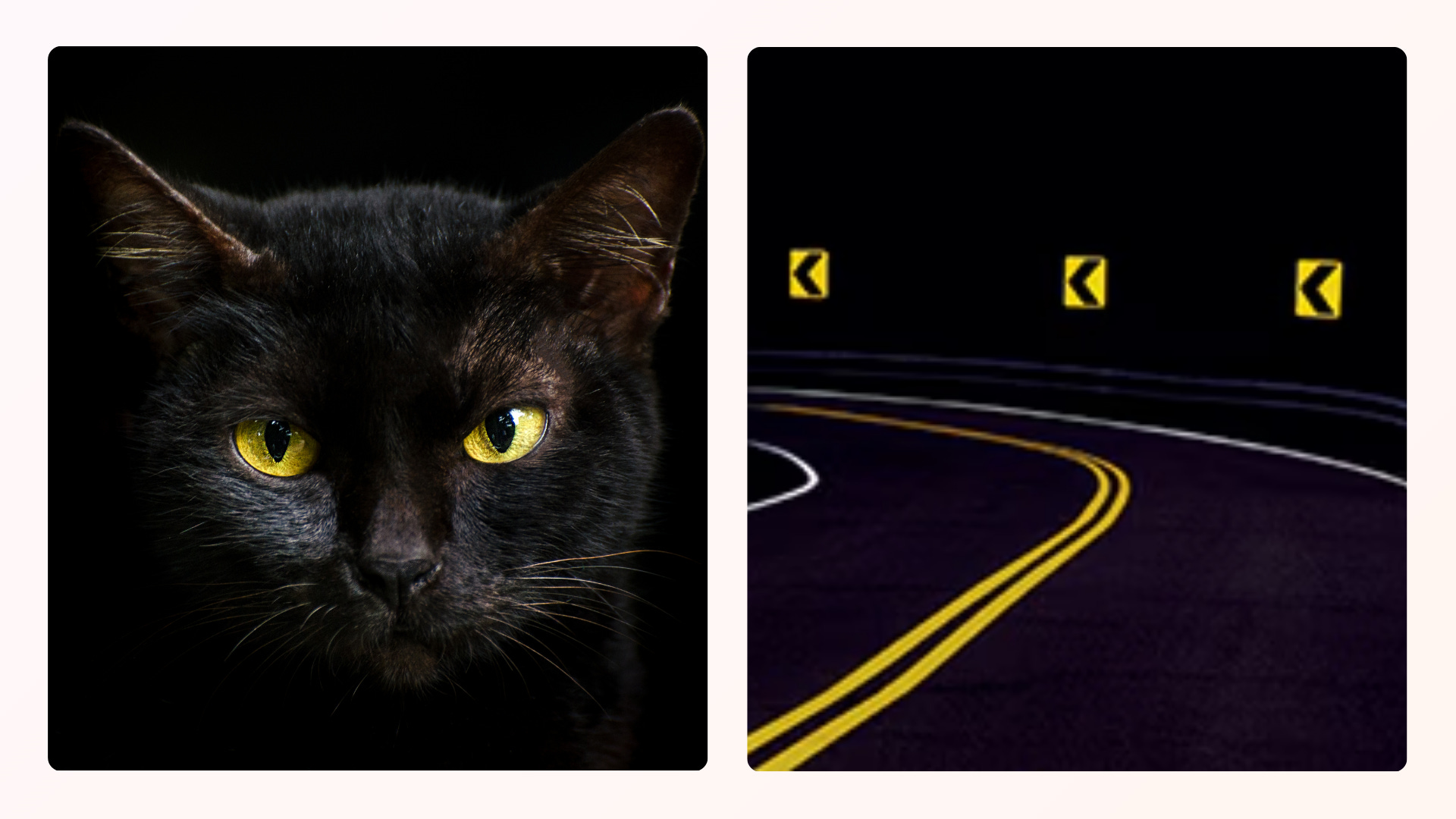
Consider the road signs that illuminate when a light shines on them. Cats’ eyes already have them. The tapetum lucidum of the eyes made the light reflect back toward the source. We see our highways at night—borrowing directly from the night vision of these animals.
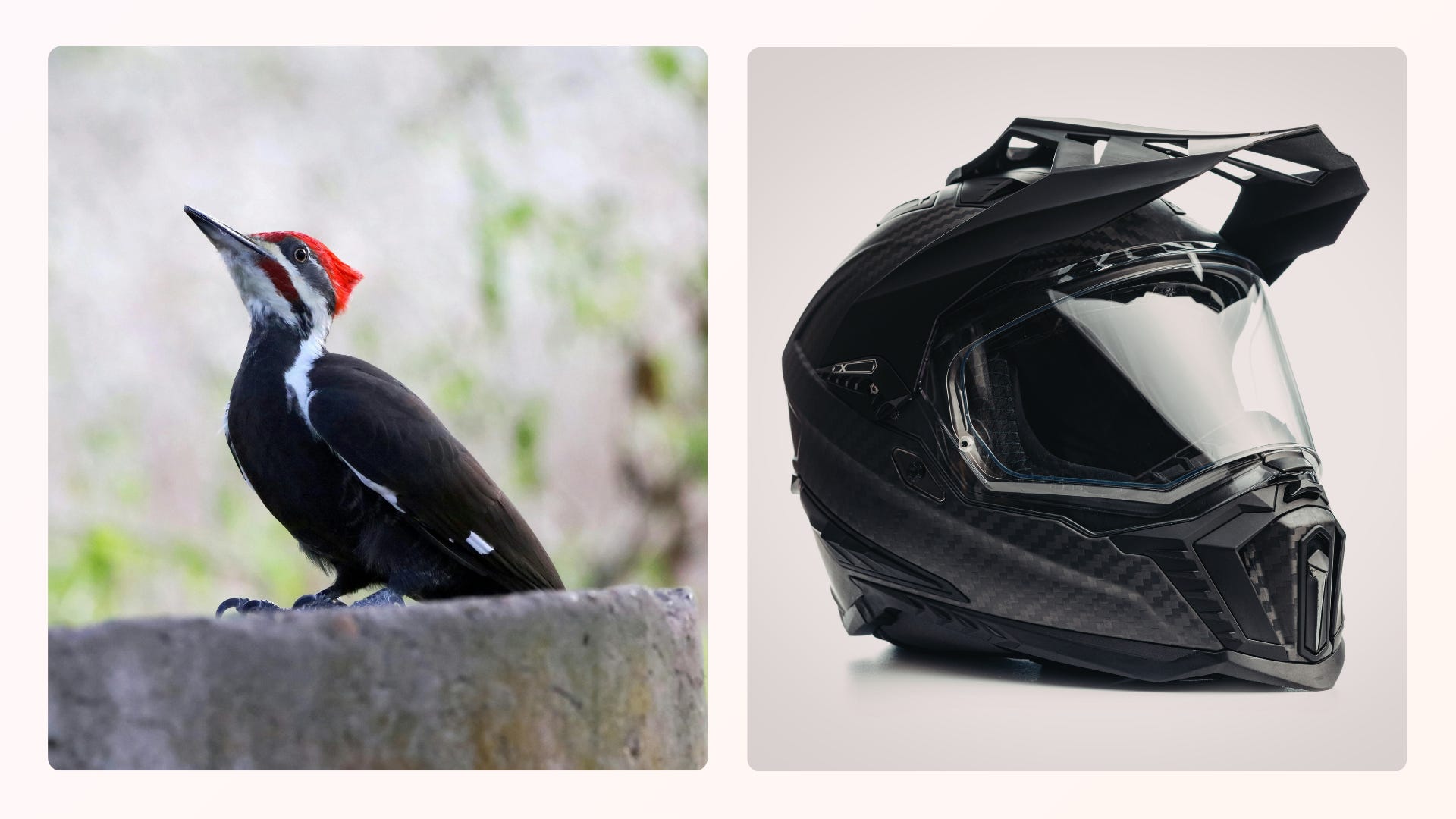
Can you imagine that the idea of a helmet, which serves as protection from impact, is borrowed from a woodpecker? The woodpecker’s skull is hard, and it is shaped to disperse repetitive force. We are borrowing from nature’s designs when we make helmets and other safety gear. We are, in effect, studying a design that has been field-tested for millennia.
It is not just one tool.
It is not just one field.
Again and again…
Again and again, we study what already works. Again and again, we find that nature had already solved the problem—long before we even thought to ask the question. We arrive with our notebooks and laboratories, and yet the answer was already written in feathers, in fur, in the curve of a skull, and in the shine of an eye. Every discovery we celebrate was quietly waiting there all along.
We borrow because there is something to borrow from.
We learn because there is something already working.
We discover because there is something that was already made to be discovered.
This is not an accident and not even a coincidence.
The more we look, the more we find that the natural world is not a random collection of things—it is a library. And libraries do not build themselves.
However, ask, please, the animals, and they will instruct you;
Also the birds of the heavens, and they will tell you.
Or give consideration to the earth, and it will instruct you;
And the fish of the sea will declare it to you.
— Job 12:7, 8
There must be a great Designer behind them all.
💭 Architecture Meets Nature
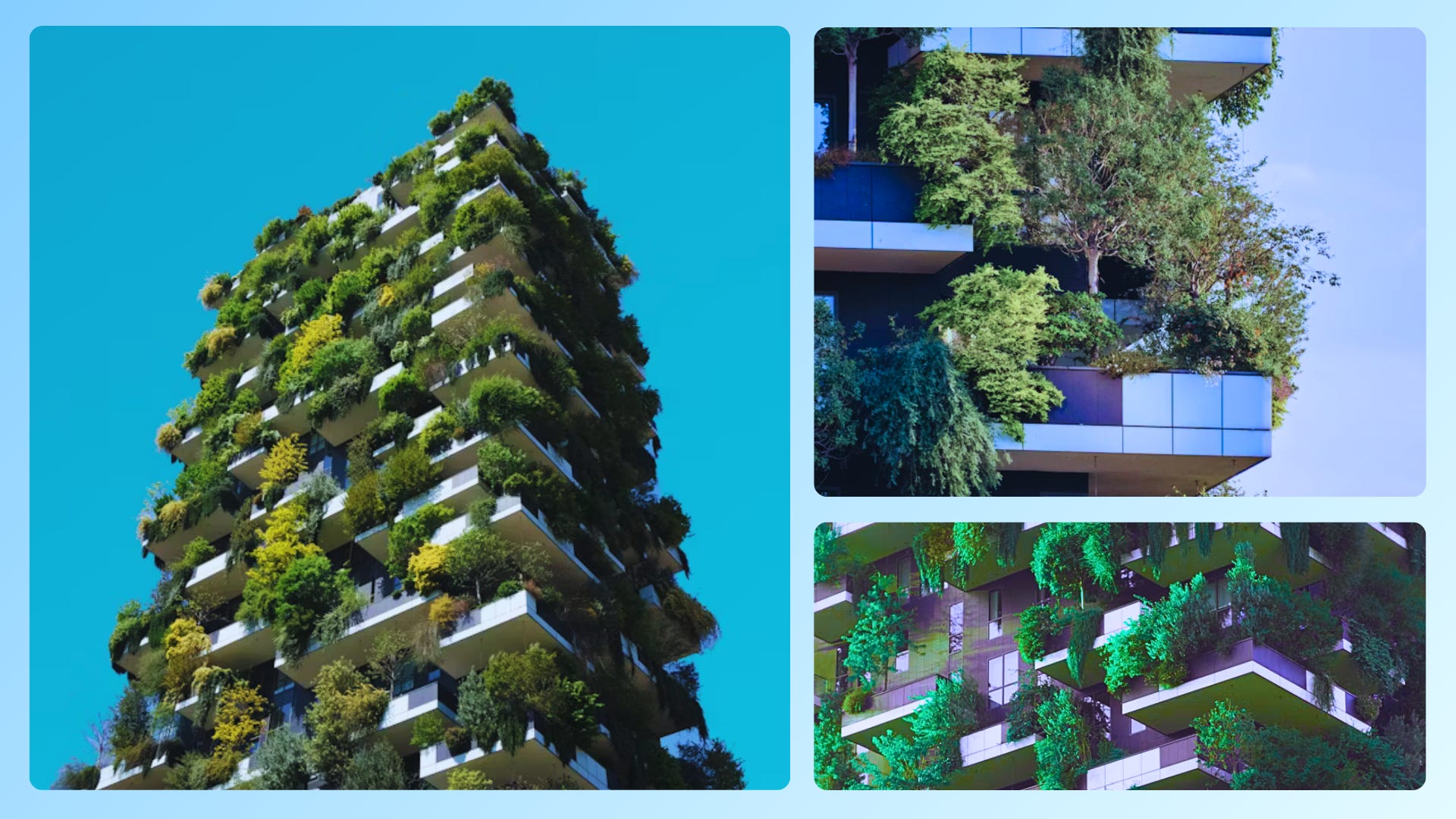
When architecture is based on nature and sustainability, it is one of the best kinds of engineering. It means working with nature in a way that is functional, not just for aesthetics. Despite urbanization, flora and fauna continue to thrive in these environments, rather than just concrete and traffic. Here are some of the examples where architecture meets nature.
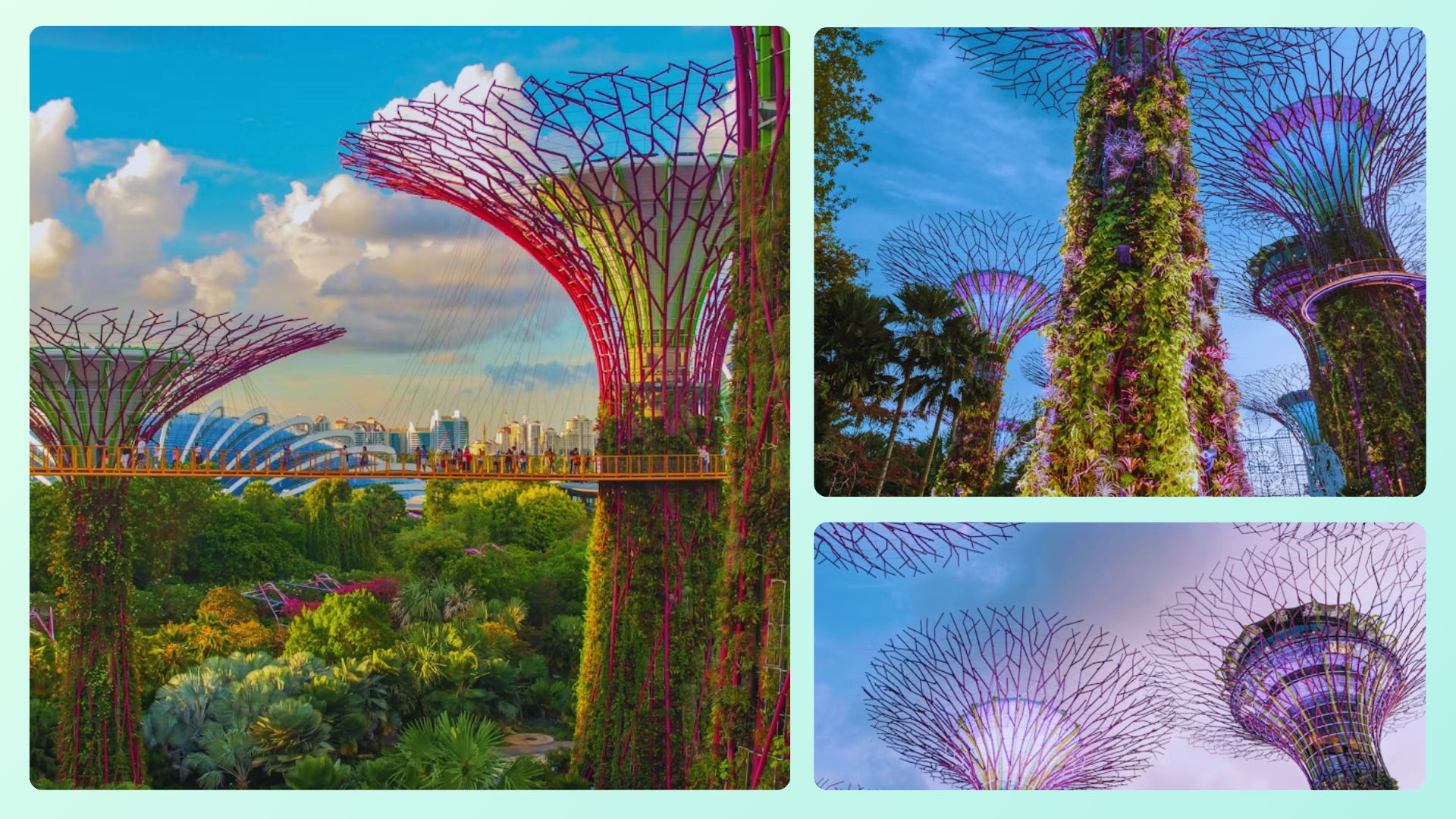
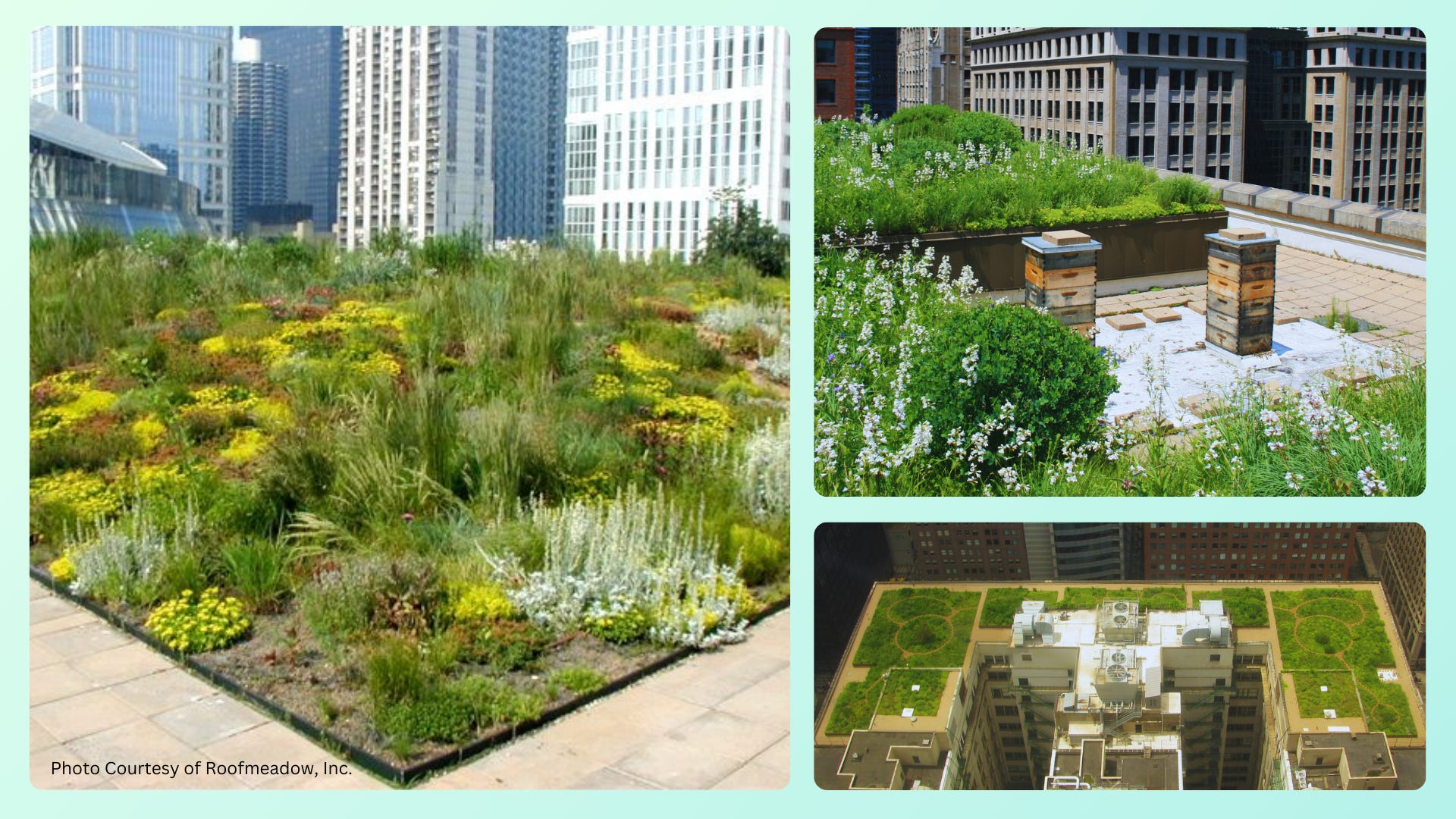
💭 Working Green
When we discuss the experience of working at a corporation, we often associate it with the smell of coffee emanating from neutral-colored cubicles, the sound of keyboard typing and meeting room chatter, the artificial lighting surrounding us, and a sense of ambition, collaboration, competition, and tension. It is amusing how the following photos mix work with surreality, suggesting that we, indeed, always need the tranquility of nature.


The only thing that worries me is the snakes. Slithers are giving me the creeps. 🐍
💭 Stop, Look, and Ask
You do not need a laboratory. You do not need a grant or a degree or a team. You need to slow down enough to notice what is already in front of you.
The next time you are outside, pause. Look at how a leaf is shaped—why it curves that way and why the veins run the way they do. Look at how water finds its path without being told. Look at how a spider positions its web, not randomly, but precisely, where the wind and the light work in its favor.
Ask the animals. Ask the birds. Ask the earth. Not as a figure of speech—but as a genuine posture of humility. The answers were written long before we thought to look for them.
Nature does not rush, and yet everything is accomplished. Maybe the most human thing we can do is to finally slow down, look around, and ask, “What has already been solved that I have not yet seen?”
And the design is still speaking, if we are still enough to hear it.
💭 Closing Thoughts
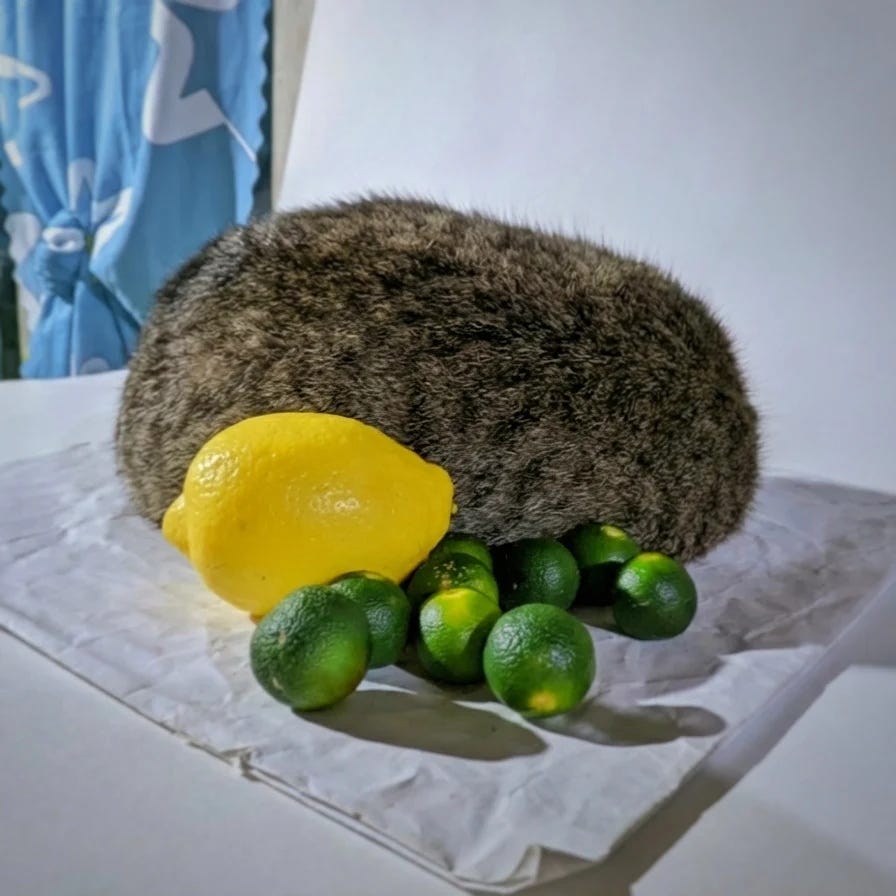
P.S. Eshe is still pregnant! 😺